FORCETALLY
Loading the evidence…
Preparing your view.


Preparing your view.
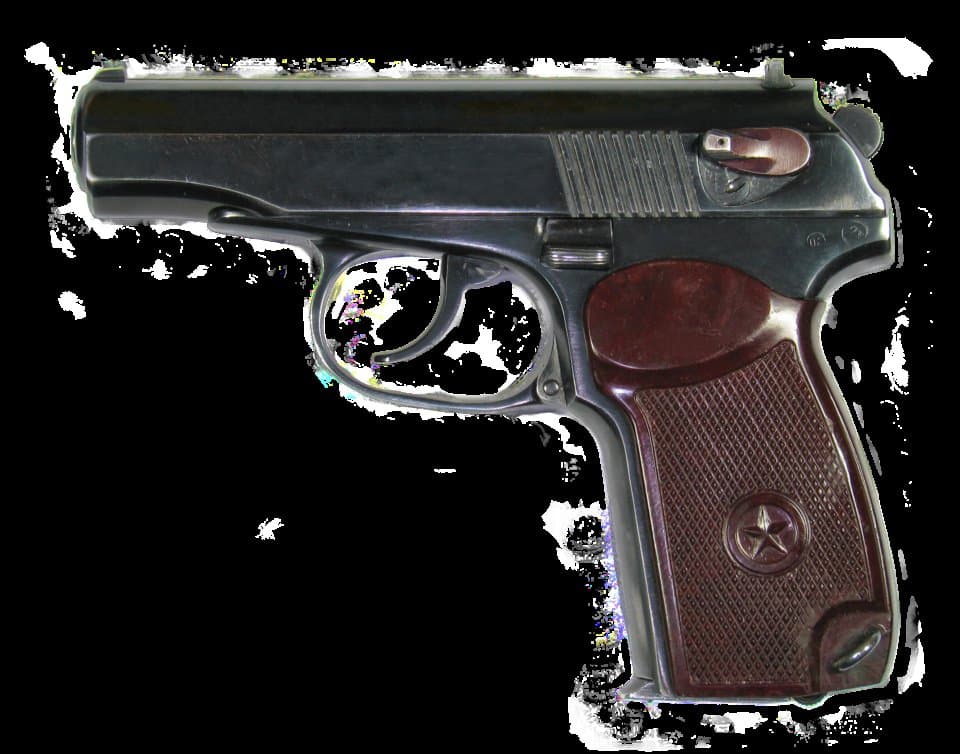
Small armsIn service
Semi-automatic pistol
Makarov pistol is a semi-automatic pistol originating in Soviet Union. It was built by Izhevsk Mechanical Plant (USSR/Russia: 1949–2013) Kalashnikov Concern (Russia: 2013–present) Ernst Thaelmann (Germany) Arsenal AD (Bulgaria) Norinco (China) Factory 626 (China). Reported operators include Islamic Emirate of Afghanistan, Albania, Algeria, Angola, Armenia, Azerbaijan, Belarus, Bulgaria, China, Cuba, Eritrea, Ethiopia, Georgia, Grenada, Iraq, Kazakhstan, Kyrgyzstan, Laos, Libya, North Macedonia, Malta, Moldova, Mongolia, Mozambique, Nicaragua, Russia, Sierra Leone, Somalia, Syria, Tajikistan, Turkmenistan, Ukraine, Uzbekistan, Vietnam, Zimbabwe.
Technical data
Semi-automatic pistol
Soviet Union
1951–present
See Users
First Indochina War Vietnam War Laotian Civil War Cambodian Civil War Communist insurgency in Thailand Nicaraguan Revolution Salvadoran Civil War Lebanese Civil War Soviet–Afghan War South African Border War Angolan Civil War Tuareg rebellion (1990–1995) Burundian Civil War First Chechen War Second Chechen War War in Afghanistan (2001–2021) Russo-Georgian War Libyan Civil War Syrian civil war War in Donbas Colombian Conflict Russo-Ukrainian war
Nikolay Makarov
1948
Izhevsk Mechanical Plant (USSR/Russia: 1949–2013) Kalashnikov Concern (Russia: 2013–present) Ernst Thaelmann (Germany) Arsenal AD (Bulgaria) Norinco (China) Factory 626 (China)
1949–present
5,000,000
See Variants
True scale
Sourced dimensions beside a 1.75 m human reference.
See it in your room. Scan with your phone to open this model in 3D, then place it in your space.
Points represent sourced observations, including revisions. Revisions on the same effective date are not separate inventory events. Ranges appear in the table and are not plotted as exact points.
| Observation / report period | Value | Source | Claim state |
|---|---|---|---|
| 28 Sept 2026 | 0.0935 m | Wikipedia contributors | superseded |
| 28 Sept 2026 | 0.0935 m | Wikipedia contributors | superseded |
| 28 Sept 2026 | 0.0935 m | Wikipedia contributors | superseded |
| 28 Sept 2026 | 0.0935 m | Wikipedia contributors | approved |
730 g (26 oz)
161.5 mm (6.36 in)
93.5 mm (3.68 in)
29.4 mm (1.16 in)
9×18mm Makarov .380 Auto 9x18mm 7N16 (PMM variant)
Blowback
315 m/s (1,030 ft/s)
50 m (55 yd)
8-round detachable box magazine (10- and 12-round available on the PMM) 80-round drum magazine
Blade front, notch rear (drift adjustable)
Islamic Emirate of Afghanistan
Albania
Algeria
Angola
Armenia
Azerbaijan
Belarus
Bulgaria
China
Cuba
Eritrea
Ethiopia
Georgia
Grenada
Iraq
Kazakhstan
Kyrgyzstan
Laos
Libya
North Macedonia
Malta
Moldova
Mongolia
Mozambique
Nicaragua
Russia
Sierra Leone
Somalia
Syria
Tajikistan
Turkmenistan
Ukraine
Uzbekistan
Vietnam
Zimbabwe
Chechen Republic of Ichkeria
India : Indian Air Force
Indonesia : Indonesian Air Force
North Korea
Romania
Soviet Union
The Makarov Pistol ( Russian: Пистолет Макарова , romanized : Pistolet Makarova , IPA: [pʲɪstɐˈlʲet mɐˈkarəvə] , lit. 'Makarov's Pistol'), commonly known simply as the PM or Makarov , is a single action, semi-automatic pistol manufactured by the Russian company Kalashnikov Concern . The PM was designed by Nikolay Makarov to replace the TT pistol , becoming the standard service pistol of the Soviet Armed Forces and the Militsiya in 1951. It is chambered in the 9×18mm Makarov round which is unofficially named for the pistol.
In 2003, the PM was formally replaced by the MR-443 Grach in the Russian Armed Forces , and by the Ministry of Internal Affairs from 2006. However, this replacement has been very slow, with the PM yet to be entirely supplanted in the Russian military and police. As of 2015, the PMM and Grach were the service pistol of the Russian Airborne Troops . In September 2019, Rostec announced its SR-2 Udav pistol went into mass production as the Makarov replacement for the Russian Armed Forces. The Udav fires 9×21mm Gyurza rounds which are claimed to pierce 1.4 mm of titanium or 4 mm of steel at a 100 meters.
The advent of the assault rifle after the war, and the subsequent adoption of the future AK-47 in 1947, relegated the pistol to a light, handy self-defense weapon.
As a result, in December 1945, two separate contests for a new service pistol were created, respectively for a 7.62mm and 9mm calibre pistol.
It was later judged that the new 9.2×18mm cartridge, designed by Boris Vladimirovich Semin, was the best round suited for the intended role.
Nikolay Makarov , a recent engineering graduate from the Tula Mechanical Institute , participated in the contest along with several prominent firearms engineers in the Soviet Union. Makarov's design, influenced by the German Walther PP , stood out from the others through its sheer simplicity, excellent reliability, quick disassembly, and robustness after stringent testing. During testing in April 1948, Makarov's pistol experienced 20 times fewer malfunctions than the competing Baryshev and Sevryugin counterparts, and required fewer parts. Therefore, Soviet authorities selected Makarov's design in 1949 for further development and optimization for mass production . Tooling was set up in the Izhevsk plant for production and, after many significant design changes and tweaks, it was formally adopted by the Soviet Armed Forces as the 9mm Pistolet Makarova , or PM , in December 1951.
The chrome-lined, four-groove, 9.27mm caliber barrel is pressed and pinned to the frame through a precision-machined ring.
The 7 kg recoil spring wraps around and is guided by the barrel. The spring-loaded trigger guard is pivoted down, allowing removal of the slide.
The front sight is integrally machined into the slide, and a 3–4 mm wide textured strip is engraved on top of the slide in order to prevent aim-disturbing glare. The rear sight is dovetailed into the slide and multiple heights are available to adjust the impact point.
The 9×18mm cartridge is an appropriate cartridge in blowback-operated pistols; producing a respectable level of energy from a gun of moderate weight and size.
The PM is a semi-automatic firearm, therefore its rate of fire depends on how rapidly the shooter squeezes the trigger. Spent cartridge casings are ejected some 5.5–6 meters away to the shooter's right and rear.
The PMM is able to use existing 9.2×18mm PM cartridges and has other minor modifications such as more ergonomic grip panels as well as flutes in the chamber that aid in extraction.
They were available in .380 ACP in addition to the standard 9mm Makarov round and commercially featured a nickel finish.
The Baikal IZH-79-8 is a modified version of the standard Makarov pistol, with an 8 mm barrel, modified to allow it to fire gas cartridges .
The military version was produced from 1959 to 1960 in Factory 626, and featured a characteristic shield embossed with 5 stars on the grip shell.
Reference text from Wikipedia contributors, used under CC BY-SA 4.0.
Makarov pistol equipment records. Variants, orders and quantities are shown as reported in each inventory source; coverage is incomplete.
 Afghanistan
 Albania
 Algeria
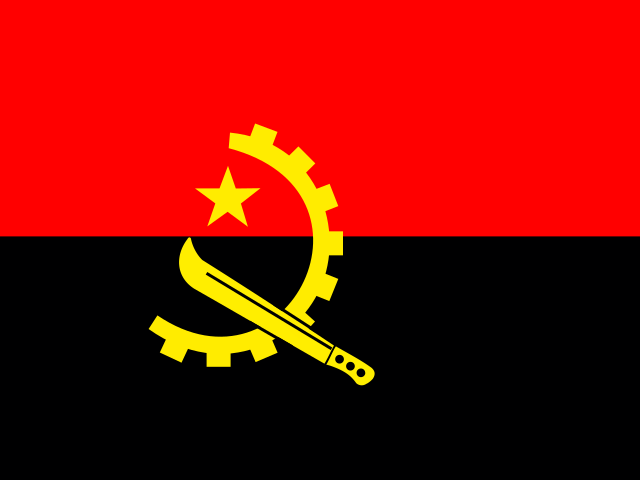 Angola
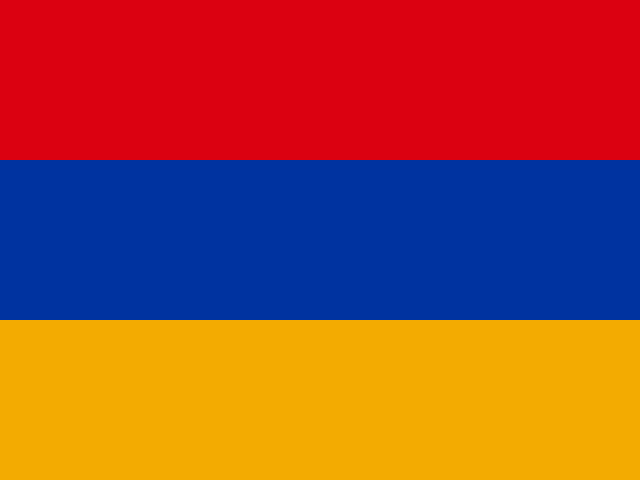 Armenia
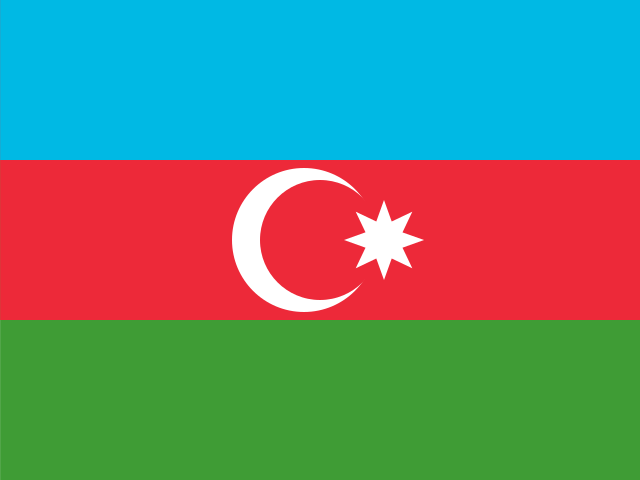 Azerbaijan
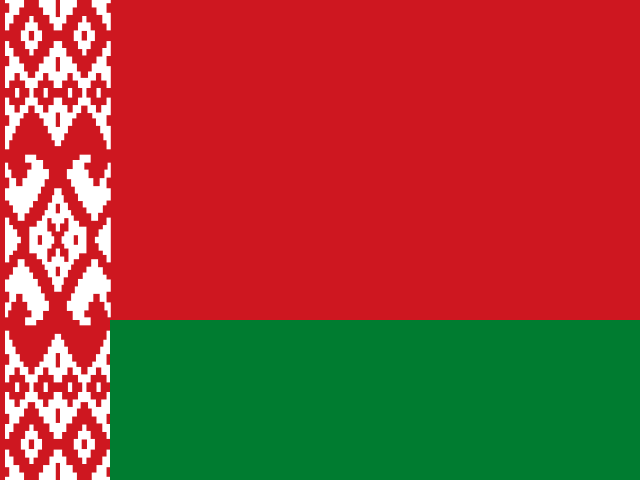 Belarus
 Bolivia
 Bulgaria
 Cambodia
 Cape Verde
 China
 Cuba
 Eritrea
 Ethiopia
 Georgia
 Grenada
 Iraq
 Kazakhstan
 Kyrgyzstan
 Laos
 Libya
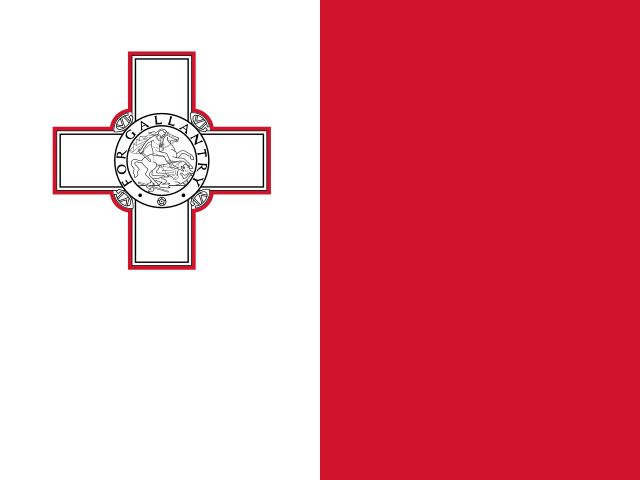 Malta
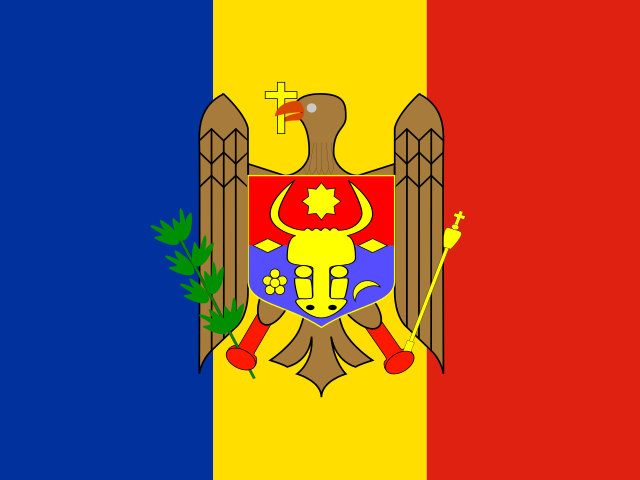 Moldova
 Mongolia
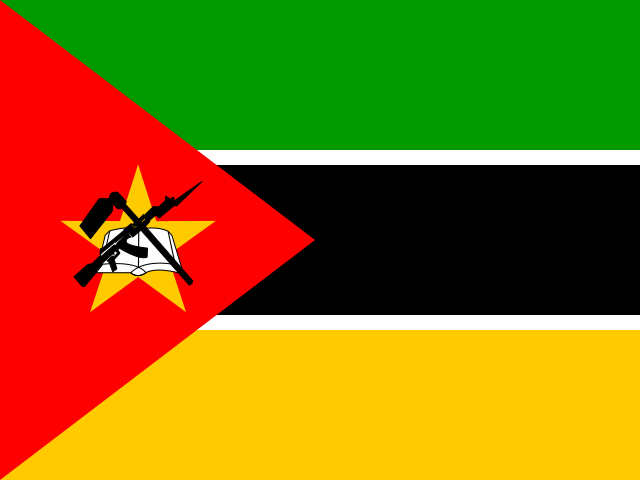 Mozambique
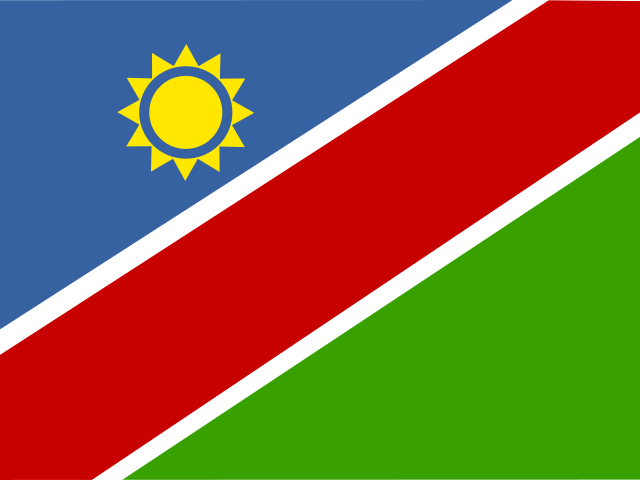 Namibia
 Nicaragua
 North Korea
 North Macedonia
 Russia
 Sierra Leone
 Somalia
 Syria
 Tajikistan
 Turkmenistan
 Uganda
 Ukraine
 Uzbekistan
 Vietnam
 Zimbabwe
Islamic Emirate of Afghanistan, Albania, Algeria, Angola, Armenia, Azerbaijan, Belarus, Bulgaria, China, Cuba, Eritrea, Ethiopia, Georgia, Grenada, Iraq, Kazakhstan, Kyrgyzstan, Laos, Libya, North Macedonia, Malta, Moldova, Mongolia, Mozambique, Nicaragua, Russia, Sierra Leone, Somalia, Syria, Tajikistan, Turkmenistan, Ukraine, Uzbekistan, Vietnam, Zimbabwe
Equipment reference ↗ India