FORCETALLY
Loading the evidence…
Preparing your view.


Preparing your view.
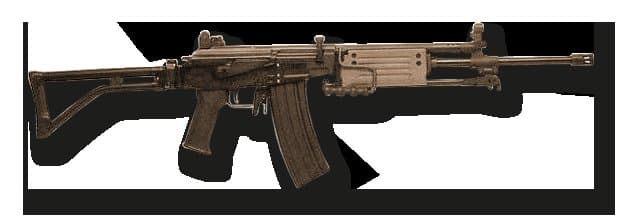
Small armsIn service
Assault rifle Carbine Battle rifle
IWI Galil is a assault rifle Carbine Battle rifle originating in Israel. It was built by Manufactured by: Israel Military Industries Licensed to: Bernardelli Indumil Ka Pa Sa State Factories ( Myanmar ) Denel Land Systems PLR Systems , India Z111 Factory ( Vietnam ). Reported operators include Bolivia, Botswana, Brazil, Cameroon, Central African Republic, Chad, Chile, Colombia, Republic of Congo, Costa Rica, Democratic Republic of Congo, Djibouti, El Salvador, Estonia, Eswatini, Equatorial Guinea, Fiji, Georgia, Guatemala, Haiti, India, Indonesia, Italy, Kenya, Kosovo, Lesotho, Mexico, Montenegro, Myanmar, Nepal, Nicaragua, Papua New Guinea, Paraguay, Peru, Philippines, Rwanda, Sierra Leone, Senegal, South Africa, Tanzania, Thailand, Trinidad and Tobago, Tonga, Uganda, United States, Ukraine, Vietnam.
 Israel
Technical data
Assault rifle Carbine Battle rifle
Israel
1972–present
See Users
Guatemalan Civil War Nicaraguan Revolution Colombian Armed Conflict Insurgency in the Philippines Operation Litani Salvadoran Civil War 1982 Lebanon War War in Somalia Communist insurgency in Thailand South African Border War Cenepa War First Congo War Congo Civil War War in Afghanistan Iraq War Nepalese Civil War Central African Republic Civil War Gaza war 2025 Cambodian–Thai border crisis
Yisrael Galili Yakov Lior
Manufactured by: Israel Military Industries Licensed to: Bernardelli Indumil Ka Pa Sa State Factories ( Myanmar ) Denel Land Systems PLR Systems , India Z111 Factory ( Vietnam )
1972–1998
See Variants
SAR: 3.75 kg (8.27 lb) AR: 3.95 kg (8.7 lb) ARM: 4.35 kg (9.6 lb)
SAR : 850 mm (33 in) stock extended / 614 mm (24.2 in) stock folded
True scale
Sourced dimensions beside a 1.75 m human reference.
See it in your room. Scan with your phone to open this model in 3D, then place it in your space.
Points represent sourced observations, including revisions. Revisions on the same effective date are not separate inventory events. Ranges appear in the table and are not plotted as exact points.
| Observation / report period | Value | Source | Claim state |
|---|---|---|---|
| 28 Sept 2026 | 0.332 m | Wikipedia contributors | superseded |
| 28 Sept 2026 | 0.332 m | Wikipedia contributors | superseded |
| 28 Sept 2026 | 0.332 m | Wikipedia contributors | approved |
SAR: 332 mm (13.1 in) AR, ARM: 460 mm (18.1 in)
5.56×45mm NATO 7.62×51mm NATO .30 carbine (Magal variant)
Gas-operated , rotating bolt
650 rounds/min
SAR: 900 m/s (2,953 ft/s) AR, ARM: 950 m/s (3,116.8 ft/s)
410 meters (Galil ARM)
5.56×45mm NATO : 35-, 50-, or 65-round detachable box magazine , or 30-round STANAG magazine 7.62×51mm NATO : 25-round proprietary box magazine .30 carbine : 15 or 30-round box magazine from the M1 carbine , and or 27-round box magazine (Magal variant)
Flip-up rear aperture with protective ears, flip-up tritium night sights, hooded front post
Bolivia
Botswana
Brazil : The Polícia Militar do Estado do Pará (PMPA; Military State Police of Pará ) ordered 555 Magal carbines in 2001.
Cameroon : Issued to presidential guard units and the BIR .
Central African Republic
Chad : Delivered in 2006.
Chile Currently the ARM and SAR variants still on duty with the Chilean Air Force . ACE N22 variants adopted by the Chilean Army since 2014.
Colombia : Standard issue rifle. Produced under license by Indumil . Also adopted the Galil ACE rifle by the middle of 2010, produced by Indumil. FARC rebels use captured examples against the Colombian armed forces.
Republic of Congo : delivered in 1994
Costa Rica
Democratic Republic of Congo
Djibouti
El Salvador
Estonia : Uses 5.56mm versions of the Galil AR, SAR, ARM, and the 7.62mm Galil Sniper. In 2008, most Galils in service were given upgrades.
Eswatini
Equatorial Guinea
Fiji
Georgia : Uses GALATZ sniper and Micro-Galil assault rifles.
Guatemala : 15,000 Galils
Haiti
India : 200 Galil Snipers bought in 2002.
Indonesia : Komando Pasukan Katak (Kopaska) tactical diver group and Komando Pasukan Khusus (Kopassus) special forces group.
Italy : As of 2009, the Bernardelli Mod.377 VB-STD and the Bernardelli Mod.378 VB-SR are in the inventories of the Italian National Police , and are known to be deployed with the NOCS team .
Kenya : Galil Sniper rifle
Kosovo : Kosovo Security Forces .
Lesotho
Mexico : Secretaría de Seguridad Pública .
Montenegro : The Galil sniper used by the Montenegrin Special Police Unit.
Myanmar : Made with assistance from Israeli weapon specialists as the MA series.
Nepal : 2,000 Galils, used by Special forces and Ranger battalion.
Nicaragua
Papua New Guinea : Galil sniper variant.
Paraguay : Indumil-made Galils for the Fuerzas de Operaciones de Policias Especiales (Special Police Operations Forces), SENAD (Drug Enforcement), and main rifle of the Paraguayan Police.
Peru
Philippines : Philippine National Police -PNP Mobile Forces. Special Action Force
Rwanda
Sierra Leone : 112+ Galil AR acquired by the Sierra Leone Police
Senegal : Galil sniper used by special forces
South Africa : Standard assault rifle of the South African National Defence Force . Produced under license in a modified form as the R4 by Denel Land Systems .
Tanzania : Galil MAR version seen in use by Tanzanian special forces in the Congo.
Thailand : Used in small numbers in Department of Corrections
Trinidad and Tobago
Tonga : Donated by Israel
Uganda : Used by the Chieftaincy of Military Intelligence (CMI), and by the Presidential Guard Brigade (PGB), a division of the Special Forces Command (SFC), all within the Uganda People's Defence Force (UPDF).
United States : Ventura County Sheriff's Department .
Ukraine : Galil Sniper produced under license as Fort-301.
Vietnam : Uses Galil ACE and Galil Sniper.
Panama : Reportedly used by the defunct Panama Defense Forces 'UESAT' Anti-terrorism unit.
Portugal : 5.56mm AR and ARM versions were used by the Portuguese Army airborne infantry until 2019, when was replaced by FN SCAR .
Syrian National Coalition
The IWI Galil (commonly known as the IDF-defender) ( Hebrew : גליל ) is a family of Israeli-made automatic rifles chambered for the 5.56×45mm NATO and 7.62×51mm NATO cartridges. Originally designed by Yisrael Galili and Yakov Lior in the late 1960s, the Galil was first produced by the state-owned Israel Military Industries and is now exported by the privatized Israel Weapon Industries .
The Israeli Army initially deployed the 5.56×45mm NATO Galil in three basic configurations; the automatic rifle machine-gun (ARM), the automatic rifle (AR), and the short automatic rifle (SAR). A modernised, redesigned version of the Galil is produced since 2008, known as the Galil ACE .
The Belgian FN FAL battle rifle had initially been adopted by the Israeli Defense Forces in the late 1950s (chambered for the 7.62×51mm cartridge). The FAL had its limitations, a common complaint being that the abundant local sand and dust exposure would cause weapon malfunction (later attributed to lack of stringent maintenance). Overall, however, the FN FAL was considered long and bulky. Its length and malfunctions became such consistent issues that during the 1973 Yom Kippur War some soldiers began arming themselves with the much smaller Uzi .
The successful design was offered by Yisrael Galili and Yakov Lior, based on the 7.62×39mm Valmet RK 62 , an AK-47 derivative from Finland. (The first Galils were manufactured with Valmet RK 62 receivers.) At the time, the US was replacing European countries (especially France) as Israel's main partner and weapons supplier. Hence, Galil's rifle was chambered for the US 5.56×45mm round (originally the US M193 55-grain version). Tests conducted from the end of the 1960s to the early 1970s led to Galili's rifle emerging as the winner. However, issuance of the Galil was delayed by the sudden onset of the Yom Kippur War in 1973.
The Israeli army first used the 5.56×45mm NATO caliber Galil in three basic configurations:
The M16 and M4 also proved to be better suited to the grenade launching role, using the US M203 integrated 40mm launcher .
When fired, a portion of the propellant gases are evacuated into the gas cylinder through a 1.8 mm (0.07 in) port, drilled at a 30° angle in the barrel, and a channel in the gas block.
The ejection of spent cases from the Galil is sometimes a violent action. Cases can be dented by the ejector and be thrown as much as 40 ft away from the rifle in some cases, depending on position.
The Galil prototypes used a stamped and riveted sheet metal steel receiver, but due to the higher operating pressures of the 5.56×45mm cartridge, this solution was discarded and the designers turned to a heavy milled forging . As a testament to its heritage, early prototypes were fabricated using Valmet Rk 62 receivers manufactured in Finland. All exterior metal surfaces are phosphated for corrosion resistance and then coated with a black enamel (except for the barrel, gas block, and front sight tower). The machined solid steel billet action avoided cracking problems the AK-series had with steel stamped sheet actions, but this made the Galil heavier.
Early production models were supplied with barrels that had six right-hand grooves and a 305mm (1:12 in) rifling twist (optimized for use with M193 ammunition), while recent production models feature a 178mm (1:7 in) twist barrel with six right-hand grooves (used to stabilize the heavier SS109/M855 projectile). The barrel has a slotted flash suppressor with 6 ports and can be used to launch rifle grenades (such as the BT/AT 52 ) or mount a bayonet lug attachment (it will accept the M7 bayonet ).
The L-shaped rear sight has two apertures preset for firing at 0–300 m and 300–500 m respectively (the rear sight can only be adjusted for elevation). The front post is fully adjustable for both windage and elevation zero and is enclosed in a protective hood. Low-light flip-up front blade and rear sight elements have three self-luminous tritium capsules (betalights) which are calibrated for 100 m when deployed. When the rear night sight is flipped up for use, the rear aperture sights must be placed in an offset position intermediate between the two apertures. Certain variants have a receiver-mounted dovetail adapter that is used to mount various optical sights.
This variant is the standard rifle version, fitted with a high-impact plastic handguard and pistol grip, a side-folding tubular metal skeleton stock that folds to the right side (fitted to all variants except the Galil Sniper). The 5.56mm NATO version uses a 35-round magazine and a has a 460 mm (18.1 in) barrel, while the 7.62mm NATO version uses a 25-round magazine and has a 535 mm (21.1 in) barrel.
This variant (aka: G'lilon ) is configured with a shorter barrel. Due to having a shorter barrel, a corresponding shorter piston and gas tube as well as a unique gas block are also found on the SAR. The SAR variant saw the longest service life in the IDF, being used with the Armored Corps until 2005. The 5.56mm NATO version uses a 35-round magazine and a has a 332 mm (13.1 in) barrel. While the 7.62mm NATO version uses a 25-round magazine and has a 400 mm (15.7 in) barrel.
This variant is additionally equipped with a carrying handle, folding bipod and a larger wooden handguard. The wooden handguard remains cooler in temperature during sustained automatic fire, and also has grooves for bipod storage. When folded, the bipod's legs form a speed chute for rapid magazine insertion; the bipod will form a wire cutter and the rear handguard ferrule, which retains the bipod legs, can be used to open bottles by design (in order to prevent soldiers using magazine lips for this purpose, which damaged them). The 5.56mm NATO version uses a 35-round magazine and a has a 460 mm (18.1 in) barrel, while the 7.62mm NATO version uses a 25-round magazine and has a 535 mm (21.1 in) barrel.
The MAR, or the Micro Galil , is a reduced-size version of the Galil SAR (706 mm stock extended / 465 mm folded), weighing 2.98 kg (6.57 pounds) empty.
Compared to the original carbine, the MAR has a shortened barrel 210 mm (8.3 in), receiver, piston, gas tube and foregrip.
The MAR has a cyclic rate of fire of around 650–750 RPM (rounds per minute), which is a bit higher than the full sized rifles.
The MAR is equipped with a folding tubular aluminum stock and a flip aperture sight with two settings: 0–300 m and beyond 300 m.
Upon request, the weapon can be supplied with a bolt catch, plastic magazines weighing 0.164 kg, or an enlarged trigger guard for use with gloves.
The MAR has undergone several changes over time, and it is worth noting that it may also be found with a polymer-coated aluminum stock or an all-polymer stock. The Model 699 is available with a 267mm barrel and optional left-side charging handle which is welded onto the left side of the bolt carrier and protrudes through a slot cut in the receiver cover that is covered by a spring-loaded cover while the bolt carrier is forward.
The 7.62mm Galil Sniper (aka: Galil Tzalafim or " Galatz ") is a derivative of the ARM that is used in conjunction with high-quality 7.62×51mm NATO ammunition for consistent accuracy.
Marksman Assault Rifle Mark 1 : 5.56mm designated marksman rifle introduced in 1996. Has a scope and padded stock.
Galil ACE : The new generation of the Galil rifle, utilizing a left-side-mounted charging handle, a spring-loaded dust cover, and a plastic or polymer lower receiver designed to lower cost and weight. The ACE has been produced in three versions (Micro, SAR and AR) chambered for 5.56mm NATO , 5.45×39mm , 7.62mm Soviet M43 and 7.62mm NATO . All variants have up to five picatinny rails for mounting optical devices and accessories. It can be stripped without any tools.
The Bernardelli Mod.378 VB-SR assault carbine was a modified clone of the Galil SAR with a different magazine well that accepted STANAG magazines , much similar in concept and look to the above-mentioned optional magazine adapter currently available for the Israeli-made models, except that the Bernardelli VB-SR could be manufactured with permanent STANAG magazine well modification on demand. The rifles competed to the trial for the adoption of a new 5.56×45mm NATO caliber rifle, but lost to the Beretta 70/90 assault weapons system .
Reference text from Wikipedia contributors, used under CC BY-SA 4.0.
IWI Galil equipment records. Variants, orders and quantities are shown as reported in each inventory source; coverage is incomplete.
 Bolivia
 Botswana
 Brazil
 Cameroon
 Central African Republic
 Chad
 Chile
 Colombia
 Costa Rica
 Democratic Republic of the Congo
 Djibouti
 El Salvador
 Equatorial Guinea
 Estonia
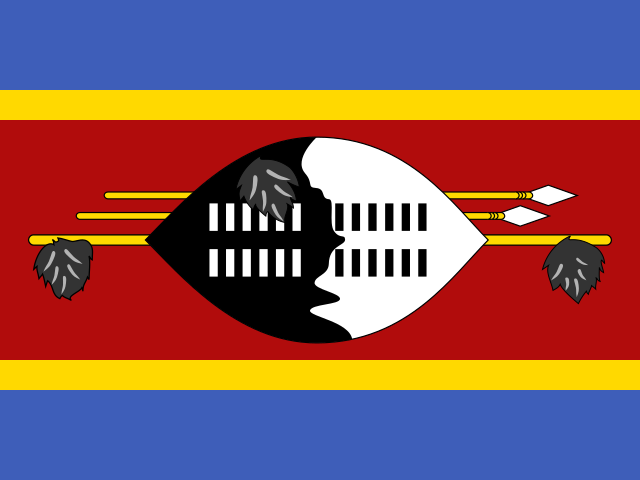 Eswatini
 Fiji
 Georgia
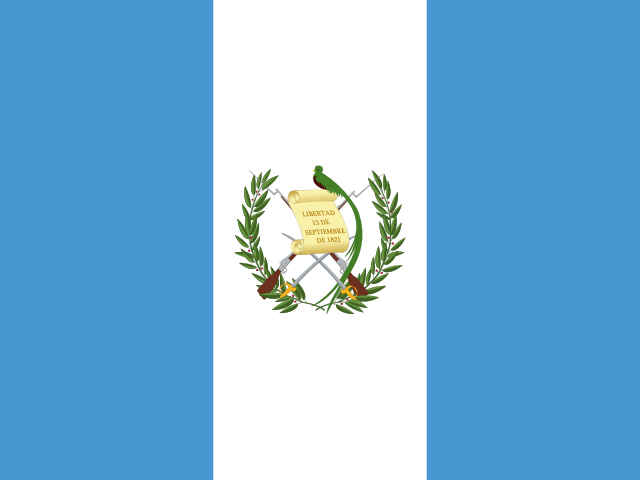 Guatemala
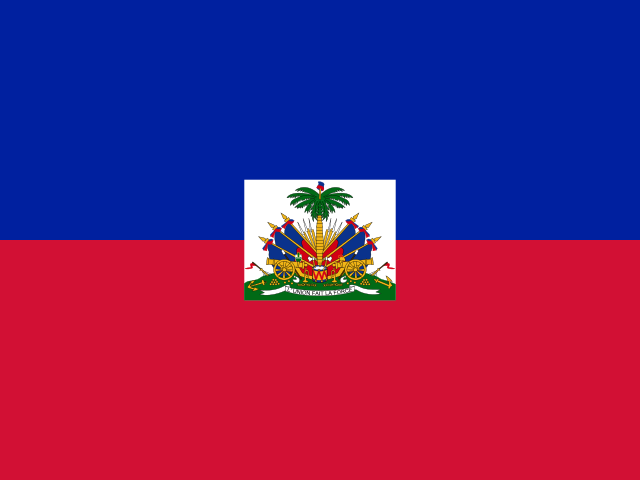 Haiti
 India
 Indonesia Israel
 Italy
 Kenya
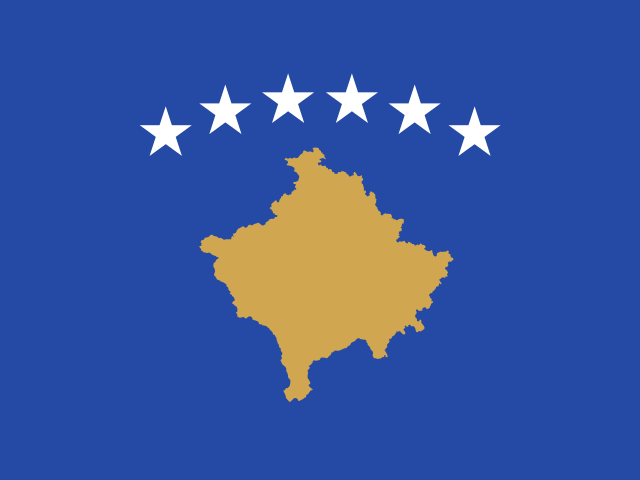 Kosovo
 Lesotho
 Mexico
 Mongolia
 Montenegro
 Myanmar
 Nepal
 Nicaragua
 Papua New Guinea
 Paraguay
 Peru
 Philippines
 Republic of the Congo
 Rwanda
 Senegal
 Sierra Leone
 South Africa
 Tanzania
 Thailand
 Tonga
 Trinidad and Tobago
 Uganda
 Ukraine
 United States
 Vietnam
Bolivia, Botswana, Brazil, Cameroon, Central African Republic, Chad, Chile, Colombia, Republic of Congo, Costa Rica, Democratic Republic of Congo, Djibouti, El Salvador, Estonia, Eswatini, Equatorial Guinea, Fiji, Georgia, Guatemala, Haiti, India, Indonesia, Italy, Kenya, Kosovo, Lesotho, Mexico, Montenegro, Myanmar, Nepal, Nicaragua, Papua New Guinea, Paraguay, Peru, Philippines, Rwanda, Sierra Leone, Senegal, South Africa, Tanzania, Thailand, Trinidad and Tobago, Tonga, Uganda, United States, Ukraine, Vietnam
Equipment reference ↗Keep exploring
 Russia