FORCETALLY
Loading the evidence…
Preparing your view.


Preparing your view.
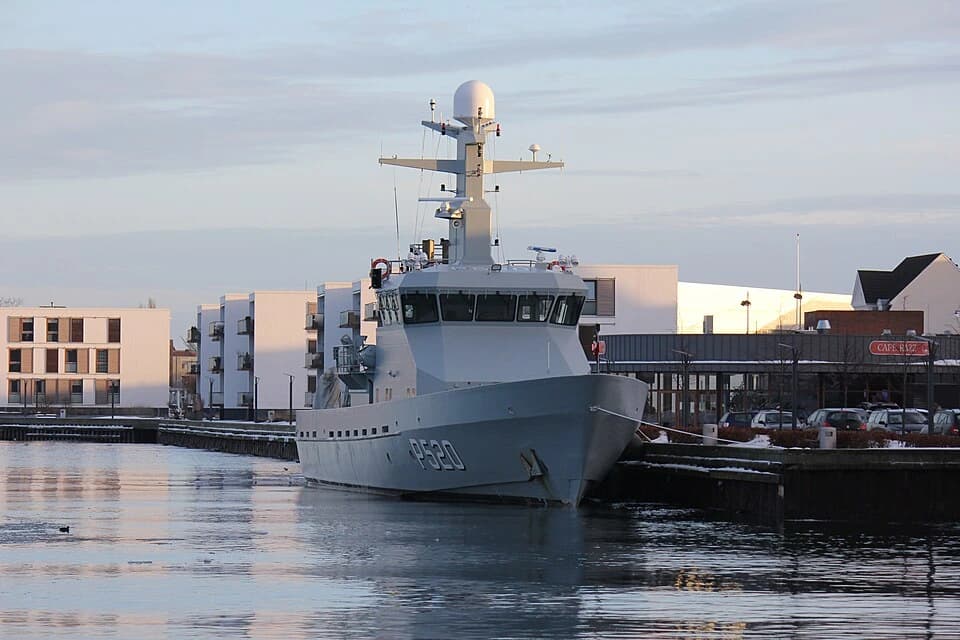
Patrol & mine warfare vesselsIn service
Patrol vessel
Diana-class patrol vessel is a patrol vessel. Reported operators include Royal Danish Navy.
 Denmark
Diana P520 · source-pictured whole patrol vessel
DanNav · CC BY-SA 3.0 · Resized / optimised · CC BY-SA 3.0 · Source ↗ · ModifiedDiana class
Royal Danish Navy
Barsø class
2005–2008
2007–present
6
6
6
Patrol vessel
280 t (280 long tons )
43.0 m (141 ft 1 in)
8.2 m (26 ft 11 in)
2.2 m (7 ft 3 in)
2 × MTU 16V396 TB94 diesel engines 2 shafts, controllable pitch propellers , 2,100 kW (2,816 bhp )
25 knots (46 km/h; 29 mph)
9
2 × 12.7 mm (0.50 in) machine guns
The Diana class , also known as the Minor Standard Craft Mk II , are a class of six patrol boats in service with the Royal Danish Navy . Built by Faaborg Værft A/S , the ships displace 280 tonnes (280 long tons ) and have a maximum speed of 25 knots (46 km/h; 29 mph) knots. The class was intended to replace the aging Barsø class of patrol boats. The lead ship of the class, HDMS Diana , entered Danish service in 2007. The Diana -class vessels were initially tasked with fisheries protection , patrol and search and rescue but are currently tasked with international and combat operations.
Denmark 0 references
Reference text from Wikipedia contributors, used under CC BY-SA 4.0.
True scale
Sourced dimensions beside a 1.75 m human reference.
See it in your room. Scan with your phone to open this model in 3D, then place it in your space.
Diana-class patrol vessel equipment records. Variants, orders and quantities are shown as reported in each inventory source; coverage is incomplete.
DenmarkNavy exact named equipment holdings of Diana (1 other non-operational). Active, operational-reserve and training units excluding equipment in store; November 2025 IISS assessment. Named service only, not a national or parent-force total or combat-readiness measure. Source role(s): PATROL AND COASTAL COMBATANTS / PCC. No heading aggregate, carried armament, crew, payload, factory production or future order count inherited. The leading printed inventory count is retained; separately stated extra reserve, nonoperational or repair quantities inside parentheses are not added to it and remain verbatim in the excerpt. Source parentheses retain employment, lease, reporting designation, alternate model, or included-subset scopes exactly. Own fetched primary and alternate/model identity declarations are retained. Numbers inside an included subset are part of the printed count and are never added again; no sibling or parent specification is copied.
Keep exploring
 Mexico
 Italy
 Singapore
 Brazil
 Spain