
Credit
ZLEA · CC BY-SA 4.0 · Resized · CC BY-SA 4.0 · Source ↗ · Modified


Preparing your view.

At a glance
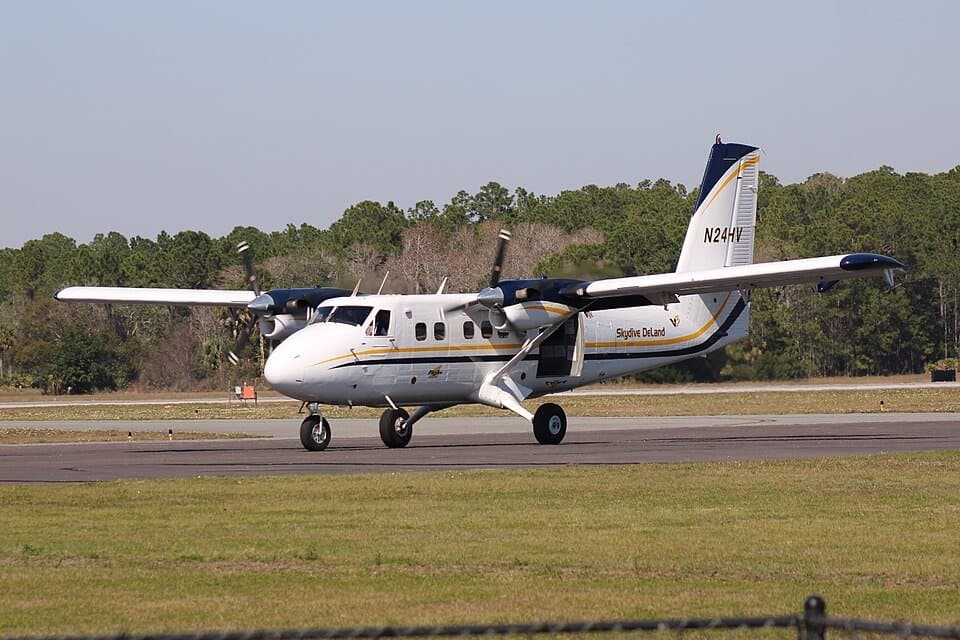
De Havilland Canada DHC-6 Twin Otterlarger figure on 4 of 4
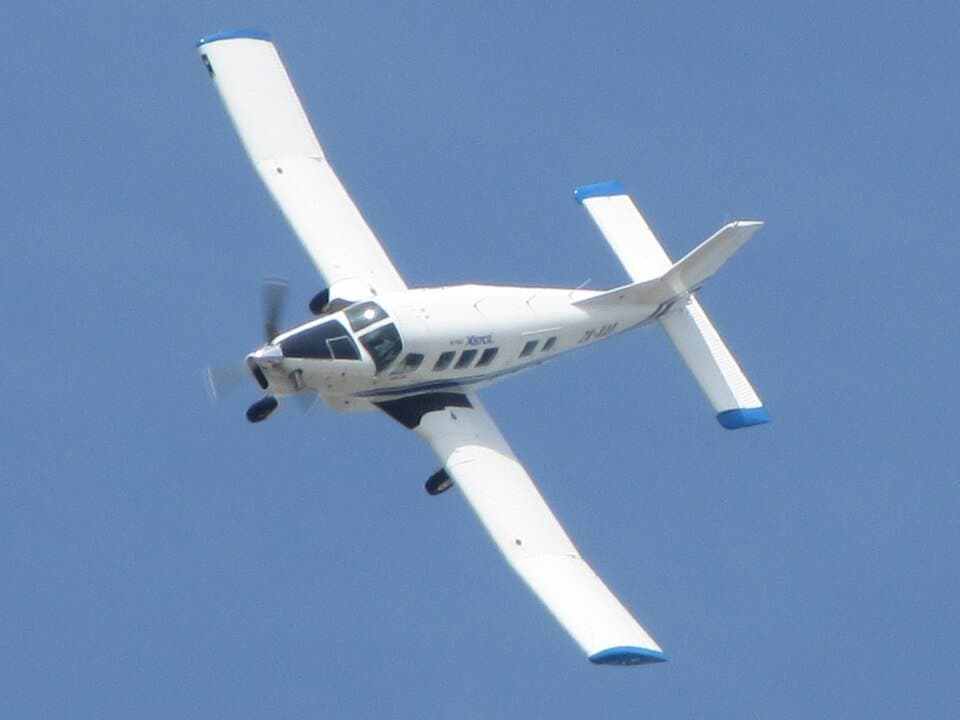
PAC P-750 XSTOLlarger figure on 0 of 4
True scale
Side by side. From every angle. A human reference for perspective.
3.24 MB · Loads when you open it| Model | Length | Width / span | Height |
|---|---|---|---|
| De Havilland Canada DHC-6 Twin Otter | ≈ 15.09 m | ≈ 19.81 m (Width) | ≈ 5.94 m |
| PAC P-750 XSTOL | ≈ 11.11 m | ≈ 12.8 m (Width) | ≈ 3.88 m |
Scaled uniformly to the sourced length of 15.09 m. The shape was turned square to the axes; the height was fitted to the sourced 5.94 m; the width was fitted to the sourced 19.81 m. Not an official model or a measured survey.
ForceTally · All rights reserved
Scaled uniformly to the sourced length of 11.11 m. The shape was turned square to the axes; the height was fitted to the sourced 3.88 m; the width was fitted to the sourced 12.8 m. Not an official model or a measured survey.
ForceTally · All rights reserved
The human reference is a generic 1.75 m figure. Models describe external size, not combat performance.
Measured figures
Length
Single source49 ft 6 in (15.09 m)[source]
Configuration
| Specification | De Havilland Canada DHC-6 Twin Otter | PAC P-750 XSTOL |
|---|---|---|
| Type | Utility aircraft[source] | Utility aircraft[source] |
| Manufacturer | de Havilland Canada Viking Air De Havilland Canada[source] | Pacific Aerospace[source] |
| Status | In production[source] | Active, in production[source] |
| Number built | March 2026: 1000 (844 DHC, 156 Viking)[source] |
Counts only measures both sources give with the same scope. A larger figure is not a better system.
Length
11.11 m (36 ft 5 in)[source]
over 727 nmi (837 mi; 1,346 km)
Single source2,150 lb (980 kg) over 727 nmi (837 mi; 1,346 km)[source]
Wing area
Single source24.88 m 2 (267.8 sq ft)[source]
1,067 ft/min
Single source5.42 m/s (1,067 ft/min)[source]
Bars compare reported quantities only. A larger figure does not make a system better; configurations and test conditions differ.
120[source] |
| Manufactured | 1965–1988 (Series 100–300) 2008–present (Series 400) 2023–present (Series 300-G)[source] | 2001–present[source] |
|---|
| Introduction date | 1966[source] | — |
|---|
| First flight | 20 May 1965[source] | 2001[source] |
|---|
| Developed from | de Havilland Canada DHC-3 Otter[source] | PAC Cresco[source] |
|---|
| Passengers | 20[source] | — |
|---|
| Wing geometry | 65 ft 0 in (19.81 m) span, 420 sq ft (39 m 2 ) area (10.05 AR)[source] | — |
|---|
| Powerplant | P&WC PT6 A-20[source] | — |
|---|
| Stall Speed | 65 mph (56 kn; 105 km/h)[source] | 107 km/h (66 mph, 58 kn) Idle Power, Flaps Down[source] |
|---|
| National origin | Canada[source] | New Zealand[source] |
|---|
| Capacity | — | Pilot + nine passengers or 17 parachutists[source] |
|---|
| Aspect ratio | — | 6.59[source] |
|---|
| Take-Off Ground Roll | — | 220 m (720 ft) (ISA, SL)[source] |
|---|
| Landing Ground Roll (excl. approach from 15 m AGL) | — | 166 m (545 ft) (SL)[source] |
|---|