Credit
ShinePhantom · CC BY-SA 3.0 · Resized · CC BY-SA 3.0 · Source ↗ · Modified


Preparing your view.

At a glance
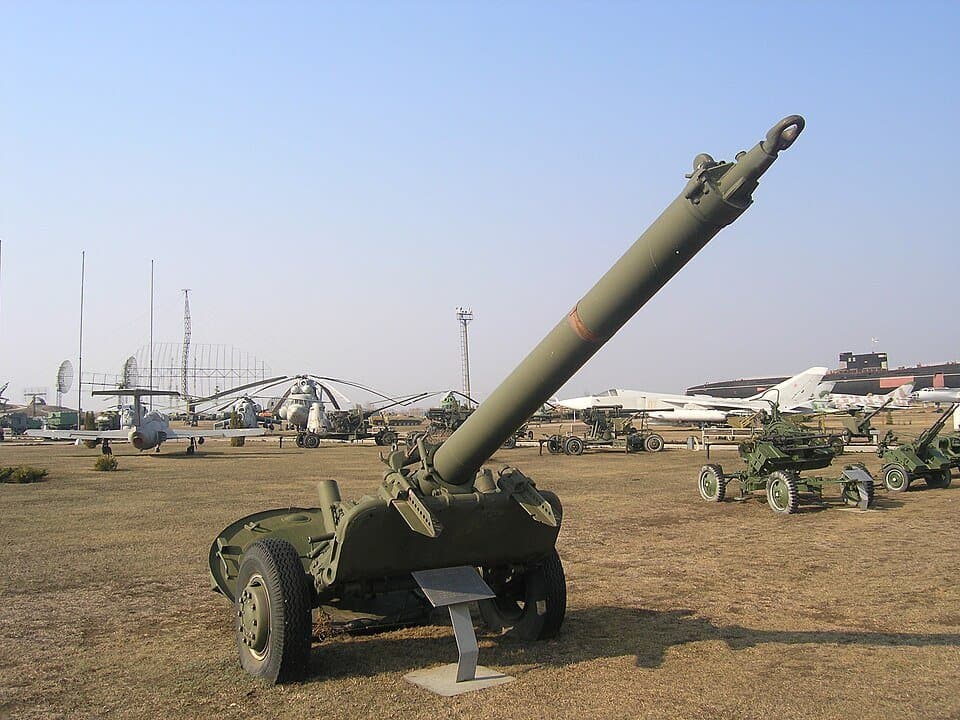
240 mm mortar M240larger figure on 2 of 2
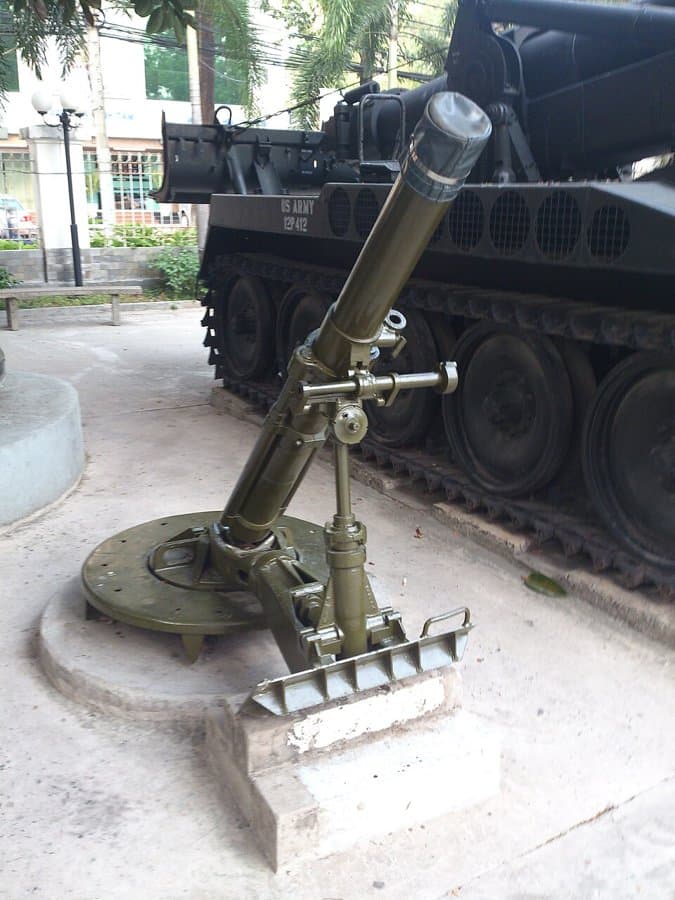
M30 mortarlarger figure on 0 of 2
Counts only measures both sources give with the same scope. A larger figure is not a better system.
Measured figures
Maximum; Maximum firing range
Single sourceMaximum; with rocket-assisted
Single source9.7 km (6.0 mi) 20 km (12 mi) (with rocket-assisted)[source]
Bars compare reported quantities only. A larger figure does not make a system better; configurations and test conditions differ.
Configuration
| Specification | 240 mm mortar M240 | M30 mortar |
|---|---|---|
| Type | Towed mortar[source] | Mortar[source] |
| Place of origin | Soviet Union[source] | United States[source] |
| In service | 1953–present[source] | 1951–Present[source] |
| Wars | Yom Kippur War Lebanese Civil War Soviet–Afghan War Iran–Iraq War First Chechen War Second Chechen War Syrian Civil War Russian invasion of Ukraine[source] | Korean War Cambodian Civil War Laotian Civil War Vietnam War Portuguese Colonial War Third Indochina War Sino-Vietnamese War Lebanese Civil War Guatemalan Civil War Gulf War[source] |
| Shell | (HE) 130 kg (286 lbs)[source] | — |
| Elevation | +45° to +65°[source] | — |
| Traverse | 17°[source] | — |
| Manufacturer | Yurga Machine-Building Plant[source] | — |
| Used by | — | See Users[source] |
| Designer | — | U.S. Chemical Warfare Service[source] |
| Former operator · South Vietnam | — | South Vietnam[source] |
| Reported operators |
|
|